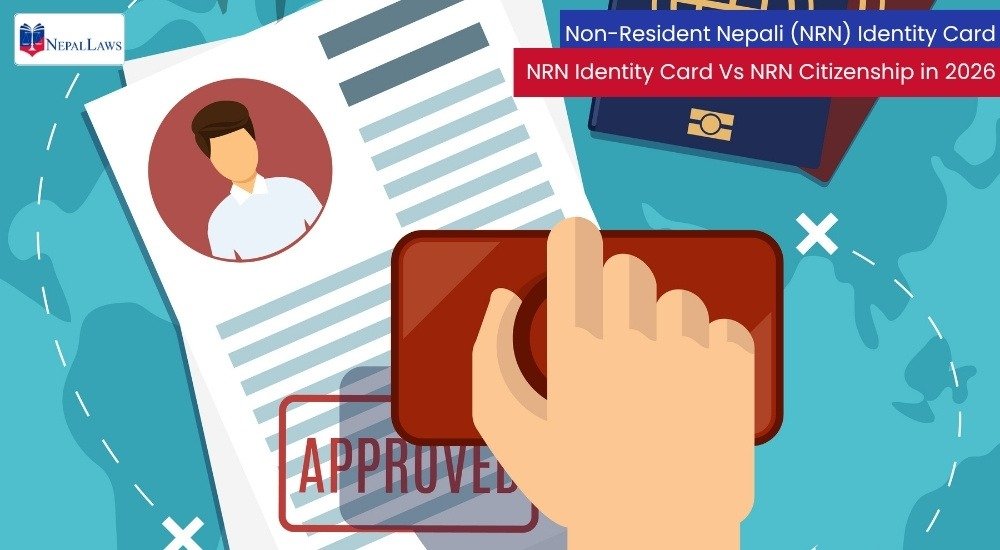

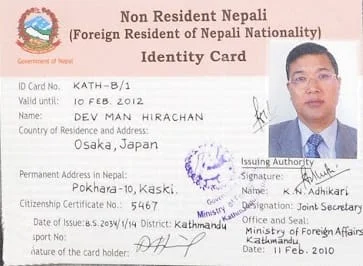
The Non-Resident Nepali (NRN) Identity Card is a formal identification issued by the Ministry of Foreign Affairs, Government of Nepal, or by Nepali Embassies and Consulates General located abroad. This card is specifically designed to recognize individuals of Nepali origin living outside the country, whether they have acquired foreign citizenship or are long-term residents abroad. To ensure clarity, the eligibility criteria include specific requirements such as length of stay, proof of Nepali origin, or residency status, and the application process involves submitting the necessary documents or completing the required steps. This information helps prospective applicants understand how to obtain the card and encourages them to follow the outlined steps to complete their application successfully.
The NRN Identity Card also plays a crucial role in enabling Nepalis abroad to participate actively in programs, initiatives, and opportunities that support their personal growth and national development. It helps streamline administrative processes, facilitates access to consular services, and fosters a sense of belonging and identity within the global Nepali community. For many non-resident Nepalis, this card is not only a legal document but also a bridge connecting their lives abroad to their roots in Nepal, empowering them to stay engaged with their homeland and access various benefits and privileges.
Who Can Obtain an NRN Identity Card?
The NRN Identity Card is designed for individuals of Nepali origin living abroad, with eligibility criteria including proof of Nepali origin and residency requirements, helping readers quickly determine their eligibility and encouraging them to apply.
- Foreign Citizens of Nepali Origin – Individuals who were previously Nepali Citizens themselves, or whose parents or grandparents were Nepali citizens. Must hold foreign citizenship outside the SAARC region.
- Nepali Citizens Residing Abroad – Nepali citizens who have been living outside Nepal, excluding SAARC countries, for at least two years for employment or business purposes.
By including both Nepali citizens abroad and foreign citizens of Nepali origin, the NRN Identity Card provides a formal mechanism to maintain ties with Nepal, enabling cardholders to access rights, privileges, and opportunities that support their social, cultural, and economic engagement with the country.
What Documents Are Required to Apply for an NRN Identity Card?
To apply for an NRN Identity Card, applicants must provide a set of documents verifying their identity, citizenship, and ties to Nepal. These documents are essential to ensure a smooth process and help applicants feel assured that their application is straightforward and transparent.
Citizenship Certificate of the Applicant
You must provide proof of your previous Nepali citizenship. For example, if you were originally a Nepali citizen but now hold foreign citizenship, you must provide a copy of your Nepali citizenship certificate.
Passport of the Applicant
A valid foreign passport, for example, British, Chinese, or HKSAR, is required to confirm your current nationality.
Renunciation Letter of Nepali Citizenship
If you formally renounced Nepali citizenship, you must submit a copy of the official letter issued by the Consulate General of Nepal. This proves that you legally gave up your Nepali Citizenship before applying for NRN status.
Citizenship Certificate of Parents or Grandparents
To establish Nepali origin, provide copies of your parents’ or grandparents’ citizenship certificates. This helps verify your ancestral connection to Nepal.
Proof of Employment or Business Abroad
Documents such as employment contracts, business licenses, or income statements are needed to show that you are residing abroad for work or business purposes.
Additional Documents (if required)
Sometimes the Consulate may ask for extra documents to support your application if they feel any doubt. This could include legal or identity documents relevant to your residency, family ties, or professional status.
Additional Documents (if required)
Sometimes the Consulate may ask for extra documents to support your application if they feel any doubt. This could include legal or identity documents relevant to your residency, family ties, or professional status.
Photographs
Two recent passport-sized photographs are required for your NRN ID card application.
How to Apply for an NRN Identity Card?
The application process involves several clear steps: online registration, submission to the consulate, card collection, processing timeline, and legislative guidance, providing a straightforward pathway for applicants. The NRN Identity Card is issued to eligible individuals following a structured application process. Currently, the Consulate provides digitally printed NRN ID cards. The steps for applying are as follows:
Step 1: Online Registration
- Visit the NRN Online Portal and sign up
- Fill in all personal and professional information and upload all necessary documents
Step 2: Submission to the Consulate
- Visit the NRN Online Portal and sign up
- Fill in all personal and professional information and upload all necessary documents
Step 3: Card Printing and Collection
- After verification, the card will be digitally printed
- Visit the Consulate with original documents to pick up the card on a working day.
Step 4: Processing Timeline
- Application approval within three working days
- Card printing on a working day
Step 5: Guiding Legislative
- Non-Resident Nepali (NRN) Act, 2064
- Non-Resident Nepali (NRN) Rules, 2066
What Are the benefits of the NRN ID Card?
The NRN ID card is not a piece of paper that offers a variety of benefits to individuals of Nepali origin living abroad. One of the key advantages is visa privileges, allowing cardholders to enter Nepal without a visa for 10 years while the NRN ID Card is valid. It also enables property ownership, allowing holders to buy certain types of property in Nepal that are otherwise restricted to foreign citizens.
Beyond legal and administrative benefits, the NRN ID Card helps maintain a strong economic and cultural link with Nepal, facilitating investment, business activities, and participation in cultural and social events. Additionally, it serves as official proof of Nepali origin, providing social recognition for the cardholder and confirming their legal connection to the country. This combination of legal, economic, and cultural benefits makes the NRN ID.
What Are the Major Differences Between NRN Identity Card and NRN Citizenship?
Understanding the difference between NRN Citizenship and the NRN Identity Card is essential for individuals of Nepali origin living abroad, as the two different legal statuses, rights, and benefits:
| Feature | NRN Identity Card | NRN Citizenship |
|---|---|---|
| Issuing Authority | Ministry of Foreign Affairs (MoFA) or Nepali Embassies/Consulates. | District Administration Office (DAO/CDO) in Nepal. |
| Validity | 10 years for foreign nationals, 2 years for Nepali nationals residing abroad | Indefinite |
| Legal Basis | Recognizes Nepali origin, provides practical benefits | Section 7A of the Nepal Citizenship Act 2063 |
| Right Granted | Visa privileges, property ownership rights, and recognition of Nepali origin. | Economic, social, and cultural rights in Nepal. |
| Application Mode | Applied online via nrn.mofa.gov.np | Applied in person at the relevant DAO |
| Application Fee | Approx. USD 520 for foreign nationals and USD 70 for Nepali nationals abroad. | Not specified, typically administrative fees at DAO. |
The NRN Identity Card serves as the foundational document for individuals of Nepali origin living abroad. It is often referred to as the gateway document, as holding or applying for the NRN ID card is typically required before applying for NRN Citizenship. While the NRN ID card provides recognition of Nepali origin and practical benefits such as visa privileges and property ownership, NRN Citizenship is a higher-status certificate that grants broader economic, social, and cultural rights within Nepal. Essentially, the NRN ID card is the entry point, and NRN Citizenship builds upon it.
Conclusion
The Non-Resident Nepali (NRN) Identity Card and NRN Citizenship serve as complementary legal instruments for Nepalis living abroad, each fulfilling distinct purposes. The NRN Identity Card serves as a gateway document, formally recognizing Nepali origin and providing practical benefits, including visa privileges, property ownership rights, and social recognition. It helps maintain economic, cultural, and legal ties between the diaspora and Nepal.
On the other hand, NRN Citizenship is a higher-status certificate that builds upon the NRN ID, granting broader economic, social, and cultural rights within Nepal, while excluding political and administrative privileges. Together, these programs enable non-resident Nepalis to maintain a meaningful connection with their homeland, participate in national development, and access legal and practical benefits that support their engagement with Nepal.
Frequently Asked Questions (FAQs)
Nepali citizens residing abroad for at least 2 years (excluding SAARC) or foreign citizens of Nepali origin.
No, the card provides social, economic, and cultural rights only; political rights are excluded.
Citizenship certificate, passport, renunciation proof (if applicable), parents’/grandparents’ citizenship certificate, employment/business proof, and 2 passport-sized photos.
Typically, 3 working days for approval and 1 working day for printing.
Free 10-year visa to Nepal, limited property ownership rights, and official recognition of Nepali origin.