
Small and medium-sized enterprises (SMEs) are often the backbone of any economy, and their vital role in driving innovation, employment, and national growth can inspire a sense of purpose and appreciation among business professionals, investors, policymakers, and students.
In Nepal, the Securities Issuance and Trading Regulations for SMEs, 2081, establish a clear framework for SMEs to obtain a credit rating before issuing shares and other securities. Clarifying how this framework benefits SMEs and investors by creating new opportunities and regulatory oversight can foster confidence and optimism among stakeholders. Detailing these benefits can help stakeholders see the tangible advantages of compliance and participation.
This article will delve into the key aspects of credit rating regulations in Nepal, their application to SMEs, and the implications for both businesses and investors, aiming to increase understanding of the regulatory framework and its benefits, thereby encouraging informed participation. Providing step-by-step guidance on the credit rating process can help stakeholders navigate the system confidently.
What Are the Credit Rating Regulations for SMEs in Nepal?
The Securities Issuance and Trading Regulations for SMEs, 2081, aim to provide a simplified yet robust framework for SMEs to access public capital markets. However, implementation and awareness challenges may persist for certain enterprises. Addressing these potential hurdles can help stakeholders understand the full scope of the regulations and plan accordingly.
Include an example of securities like bonds or shares exceeding NPR [amount] to illustrate when credit ratings become mandatory under the regulations.
Why the Rs 30 million Threshold?
The threshold of Rs 30 million was specifically chosen to capture significant securities offerings, ensuring that larger, more impactful business activities undergo a thorough evaluation process.
Smaller offerings, however, are exempted from these requirements to avoid imposing undue burdens on small enterprises.
What Is the Role of CRAs in Nepal?
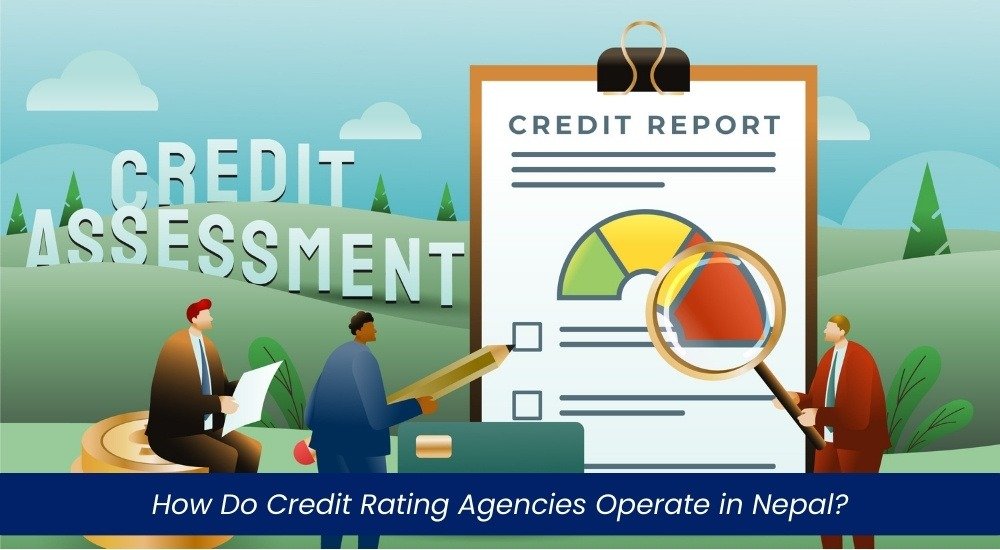
Credit rating agencies (CRAs) in Nepal play a significant role in evaluating the creditworthiness of companies seeking to issue securities.
These agencies ensure that investors have access to independent, transparent, and standardised risk assessments. This helps maintain a fair and trustworthy market environment.
How Do Credit Rating Agencies Operate?
In Nepal, three licensed rating agencies operate under the regulatory oversight of SEBON:
- ICRA Nepal (licensed in 2012)
- CARE Ratings Nepal (licensed in 2017)
- Infomerics Credit Rating Nepal (licensed in 2022)
These agencies assess companies based on numerous factors, including:
- Industry characteristics
- Competitive positioning
- Operational efficiency
- Management quality
- Historical financial performance
Specify that foreign participation, with at least 25% foreign ownership, ensures adherence to international rating standards and practices, which enhances the credibility and fairness of the assessment process for all stakeholders.
This structure helps ensure that local agencies adhere to global standards in rating methodologies and practices, providing transparency and consistency in the evaluation process.
How Does the Credit Rating Process Work?
The credit rating process is comprehensive and involves several stages, each designed to provide a detailed analysis of a company’s financial health and stability, thereby fostering stakeholder confidence in the evaluation’s thoroughness and objectivity.
Step 1 Initial Request
The company formally requests a credit rating from a licensed agency.
Step 2 Information Gathering
The company provides extensive financial and operational data, including historical financial statements, management profiles, and future business plans.
Step 3 Analysis
A team of analysts conducts a detailed evaluation based on the information provided, assessing the company’s risks, market position, and financial outlook.
Step 4 Rating Assignment
The findings are reviewed by a rating committee, which assigns a credit rating, such as AA, BBB, or C, indicating the company’s ability to meet its financial obligations.
Step 5 Ongoing Monitoring
After the rating is assigned, the agency continues to monitor the company’s performance, conducting annual reviews or more frequent assessments if necessary.
What Are the Implications for Investors and SMEs?
The significant effects that economic trends, regulatory changes, and market dynamics can have on both investors and small to medium-sized enterprises (SMEs). For investors, understanding these implications is crucial, as they can inform strategic decisions regarding portfolio allocations and risk management.
For Investors
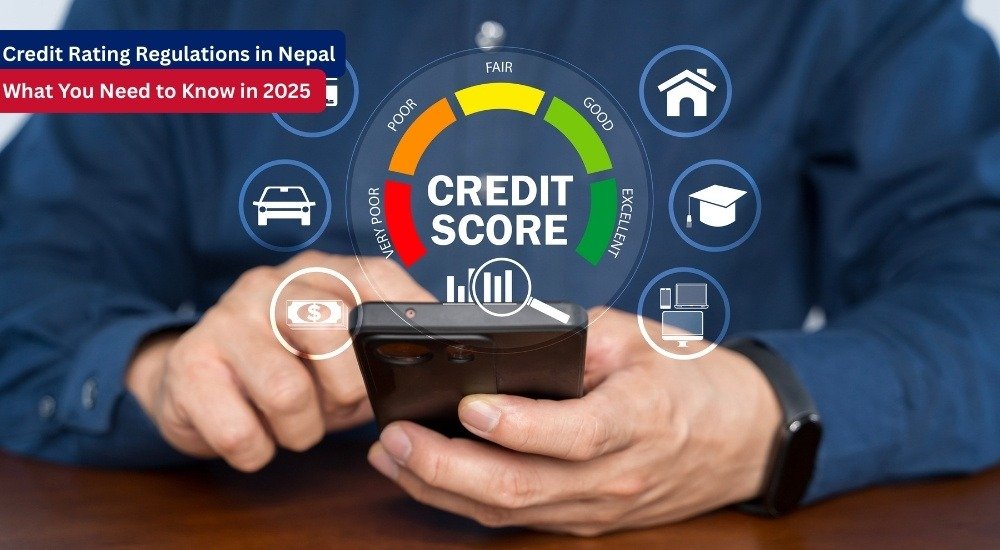
For investors, credit ratings serve as a standardised indicator of risk and creditworthiness, guiding investment choices and risk management strategies.
This allows investors to compare potential investment opportunities based on the financial health and stability of the companies. Credit ratings offer essential insights, such as:
- The likelihood of a company being able to meet its financial obligations
- The company’s overall financial health
- Any risks associated with the company’s specific industry or operational model
For SMEs
For SMEs, a strong credit rating can significantly enhance their ability to raise capital on favourable terms. A strong rating can help:
- Lower borrowing costs – With a good credit rating, companies may secure financing at lower interest rates due to the lower perceived risk.
- Increase investor confidence – A reliable credit rating can increase investor confidence, making it easier for SMEs to attract investors.
- Enhance market reputation – A high credit rating signals financial strength, which can attract potential clients, suppliers, and business partners.
However, a lower rating might indicate higher risk, potentially leading to higher interest rates or more stringent terms for the SME’s capital-raising efforts.
What Additional Regulatory Requirements Are There for SMEs?
The regulatory framework governing SMEs extends beyond just credit ratings for securities issuance. Some additional requirements include:
If an SME applies for a loan exceeding Rs 500 million, it must obtain a credit rating. This ensures that financial institutions have a thorough, independent assessment before lending large sums.
Any SME issuing debentures, bonds, or shares at a premium must also comply with the credit rating requirement, adding an extra layer of investor protection.
Companies are required to maintain transparent, accurate disclosure practices and provide detailed reports on their financial health and business operations to regulators and investors alike.
How Has Credit Rating Affected Nepal’s Capital Market?
Loan Ratings: If an SME applies for a loan exceeding Rs 500 million, it must obtain a credit rating. This ensures that financial institutions have a thorough, independent assessment before lending large sums.
Bonds and Debentures: Any SME issuing debentures, bonds, or shares at a premium must also comply with the credit rating requirement, adding an extra layer of investor protection.
Transparency in Disclosures: Companies are required to maintain transparent, accurate disclosure practices, providing detailed reports on their financial health and business operations to regulators and investors alike.
Positive Market Impact
- Increased Investor Confidence - Credit ratings enhance investor trust, making the capital market more attractive to both retail and institutional investors.
- Market Growth - The availability of reliable credit ratings has contributed to the expansion of Nepal’s capital market by encouraging more SMEs to access public funding.
- Competition among Rating Agencies - With three licensed agencies, SMEs now have the freedom to choose based on factors like sector expertise, service quality, and costs.
The Role of Credit Ratings in Nepal’s Capital Market
As Nepal’s capital markets continue to mature, the role of credit rating agencies will likely expand.
Agencies in Nepal are already offering IPO grading, issuer ratings, and mutual fund ratings, adding greater depth to their services.
The Securities Issuance and Trading Regulations for SMEs, 2081, lay the foundation for a more vibrant, transparent market.
As more businesses engage with capital markets and investor awareness grows, demand for reliable credit ratings will increase, helping shape a more efficient, sustainable financial ecosystem in Nepal.
Conclusion
The Securities Issuance and Trading Regulations for SMEs, 2081, have opened a new chapter in Nepal’s financial landscape by providing small and medium-sized businesses with the tools they need to access capital markets.
The mandatory credit rating requirement ensures that investors are adequately informed and protected, while SMEs benefit from enhanced access to capital and reduced borrowing costs.
For SMEs seeking capital, understanding the credit rating process and its implications is essential. With the right preparation, these businesses can leverage credit ratings to enhance their market reputation, attract investors, and secure the financing they need for growth.
For investors, credit ratings offer a reliable measure of a company’s financial health, making it easier to assess risk and make informed investment decisions.
If you are an SME considering raising capital through securities, it is essential to understand the credit rating process and engage with licensed rating agencies early.
For investors, staying informed about companies’ credit ratings can help them make more confident investment decisions. Seek professional advice when necessary to navigate this evolving landscape effectively.