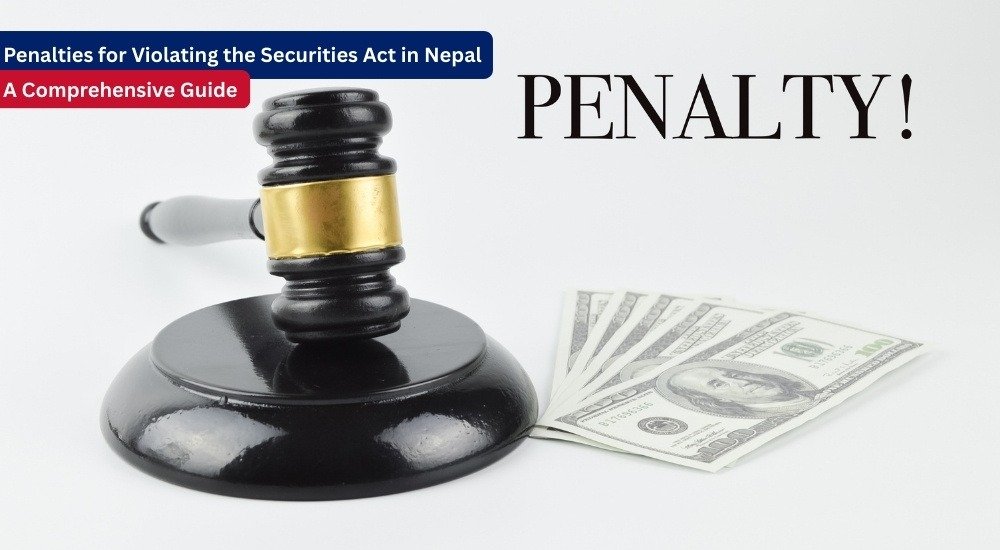

As Nepal’s securities market continues to grow, your role in maintaining a transparent and fair environment is crucial for building investor trust. The Securities Act 2063 serves as the backbone of Nepal’s securities regulations, ensuring that both issuers and investors comply with the required legal and ethical standards. One of the most significant aspects of the Act is its focus on penalising various violations, including insider trading, market manipulation, and fraudulent practices.
This article will explore the penalties outlined in the Securities Act for such violations, using case examples to illustrate the legal framework in action. We will cover insider trading, market manipulation, and other key offences, providing a clearer understanding of the consequences for those found guilty.
Insider Trading and Its Penalties
Insider trading refers to the illegal act of trading securities based on confidential, non-public information that could impact a company’s stock price.
In Nepal, the Securities Act 2063 strictly prohibits insider trading to ensure that all market participants have equal access to material information.
This protects the integrity of the market and prevents those with inside knowledge from gaining an unfair advantage.
In a notable case, a group of investors inflated the price of a small-cap stock by disseminating false information about the company’s growth potential.
As the price rose, the manipulators sold their shares at inflated prices, leading to significant losses for unsuspecting retail investors once the truth was revealed.
Understanding the penalties for insider trading under the Securities Act, 2063, highlights the importance of compliance for legal professionals, compliance officers, and corporate managers in maintaining market integrity.
Fines for insider trading convictions range from NPR 500,000 to NPR 5 million, reflecting the offence’s seriousness.
- The Act permits imprisonment of up to 3 years for those found guilty of insider trading, depending on case details.
- Confiscation of Profits – Any profits gained from insider trading can be confiscated, ensuring that the offender does not benefit from unlawful activity.
- Disqualification – In cases involving corporate insiders, such as directors or managers, the court may impose a disqualification from holding any future roles in publicly traded companies.
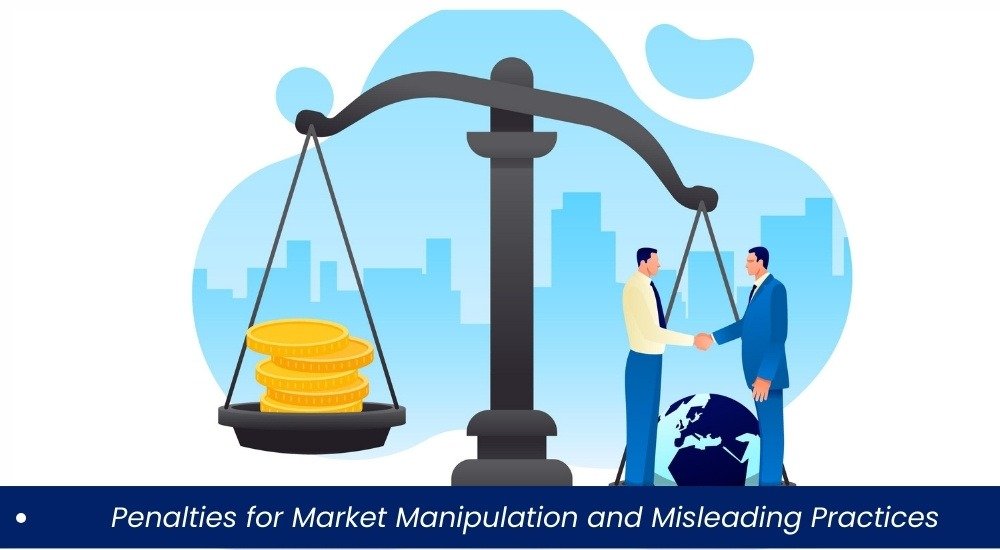
Market Manipulation and Misleading Practices
Market manipulation refers to the deliberate interference with the normal functioning of the stock market, typically by artificially inflating or deflating stock prices.
This can be done through false rumours, deceptive practices, or coordinated efforts to influence market prices.
The Securities Act, 2063, criminalises such behaviour because it undermines market integrity and harms investors.
Case Example: Market Manipulation in Nepal
In a noteworthy case, a group of investors coordinated to inflate the price of a small-cap stock by spreading false information about the company’s growth potential.
As the price rose, the manipulators sold their shares at inflated prices, leading to significant losses for unsuspecting retail investors once the truth was revealed.
Penalties for Market Manipulation
Violations related to market manipulation led to severe penalties, including:
- Fines – Offenders can be fined between NPR 500,000 and NPR 5 million.
- Imprisonment – Depending on the gravity of the manipulation, the sentence may range up to 3 years in prison.
- Forfeiture of Profits – Any profits gained through manipulation must be surrendered to the authorities.
- Suspension or Banning from Market Participation – The individuals involved may face temporary or permanent bans from participating in the securities market.
Failure to Comply with Disclosure Requirement
The Securities Act, 2063, emphasises the importance of timely and transparent disclosure of all material information, encouraging companies to act responsibly and uphold market integrity.
This includes financial reports, business activities, and other material events that could impact the price of their securities, and companies should establish internal controls and procedures to ensure timely and accurate disclosures.
Failure to comply with these disclosure requirements can create an unfair advantage for certain investors and erode investor confidence in the market.
Case Example: Failure to Disclose Material Information
In a case in Nepal, a company failed to disclose that it was facing significant financial difficulties and under investigation by a regulatory body.
This omission misled investors, keeping the stock price artificially high. When the truth emerged, many investors faced significant financial losses, illustrating the serious consequences of non-disclosure.
Penalties for Non-Disclosure
Penalties for failure to comply with disclosure requirements under the Securities Act 2063 include:
- Fines - A company or individual can face fines between NPR 500,000 and NPR 2 million for failure to meet disclosure standards.
- Suspension of Trading - The company’s securities could be temporarily suspended from trading on the Nepal Stock Exchange (NEPSE).
- Delisting - If the company continues to violate disclosure rules, it could face delisting from NEPSE, meaning its securities would no longer be publicly traded.
Fraudulent Practices and False Statements
Fraudulent practices in the securities market involve providing investors with misleading or false information, underscoring the need for transparency and integrity to maintain market trust.
This could include inflating earnings, misrepresenting a company’s financial health, or falsifying business activities. Under the Securities Act 2063, these fraudulent actions are criminal offences.
Case Example: False Financial Statements
In one case, a company issued false financial statements that overestimated its profitability, misleading investors and risking their investments by presenting inaccurate data to raise capital.
Once the falsifications were discovered, the company’s stock price plummeted, causing investors to incur substantial losses and highlighting the importance of legal compliance to protect their interests.
Penalties for Fraudulent Practices
Those involved in fraudulent practices may face:
- Fines – Convicted individuals or companies may be fined up to NPR 5 million.
- Imprisonment – The Act also allows for imprisonment of up to 5 years for serious fraudulent offences.
- Liability for Damages – Perpetrators may be required to compensate investors for losses resulting from fraudulent actions.
The Role of SEBON and Enforcement
SEBON, the Securities Board of Nepal, plays a critical role in regulating and overseeing the securities market.
It is responsible for enforcing the Securities Act 2063 and ensuring that market participants adhere to all legal requirements. Your compliance with these requirements is crucial to the market’s smooth functioning.
It is responsible for enforcing the Securities Act 2063 and ensuring that market participants adhere to all legal requirements.
SEBON has the authority to investigate violations, impose penalties, and initiate legal action against those involved in unlawful activities.
SEBON’s enforcement powers allow it to impose the following penalties:
- Administrative Penalties – SEBON can impose fines for non-compliance with the law, including violations of disclosure and reporting obligations.
- Investigations – The Board can initiate investigations into any suspected violations and take action if necessary.
- Legal Actions – In severe cases, SEBON can refer the matter to the courts, where individuals or companies found guilty may face criminal penalties, including fines and imprisonment.
Conclusion
The Securities Act 2063 serves as a key instrument in maintaining the integrity of Nepal’s securities market. It provides a legal framework that holds market participants accountable and protects investors from fraudulent practices, insider trading, and market manipulation. The penalties for violating these provisions are designed to deter misconduct and maintain investor confidence in the market.
For companies, understanding and complying with these regulations is not only necessary to avoid legal consequences but also crucial for building trust and credibility in the market. Investors, on the other hand, should be aware of these penalties to protect themselves from potential market abuse.
Ensure that your actions align with the regulations and promote a fair, transparent market environment.
If you are unsure about your rights or responsibilities, seek guidance from a legal or financial expert to ensure compliance and avoid potential penalties.