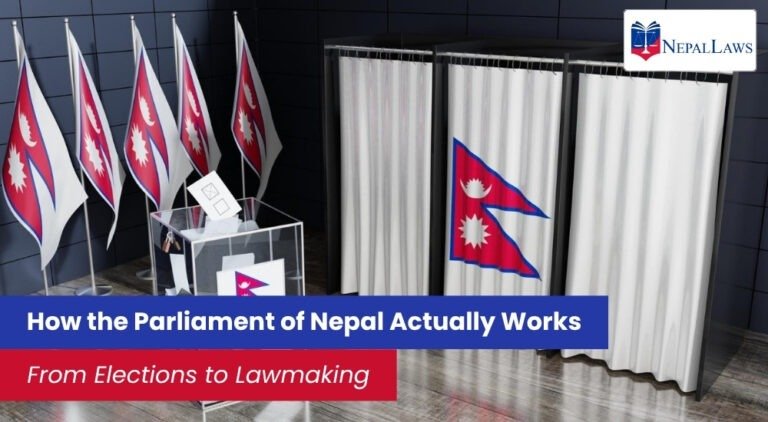

Turning 18 and getting your voter ID card is an important step in joining Nepal’s democracy. For many first-time voters, election day brings excitement and some questions. You might wonder, “What does the ballot paper look like?” or “What if I make a mistake?” These questions are normal. The good news is that Nepal’s voting process is simple, secure, and voter-friendly. With some preparation, you can go to the polling station with confidence and vote correctly, trusting that your participation matters.
The right to vote is a constitutional right and a key way citizens influence the country’s direction. Knowing the voting process helps first-time voters feel confident and participate effectively, shaping policies and leadership, inspiring pride in their role in democracy.
Understanding Your Right to Vote
In Nepal, every citizen aged 18 or above has the right to vote, provided they are registered in the voter list. This right is protected by the Constitution and managed by the Election Commission of Nepal. Voting allows citizens to choose their representatives at the federal, provincial, and local levels. These representatives make decisions that directly affect daily life, from education and healthcare to infrastructure and employment opportunities. Your vote is a vital part of shaping your community and country.
Participating in elections strengthens democracy. When more citizens vote, the system becomes more representative and accountable.
Understanding the Ballot Paper of Nepal
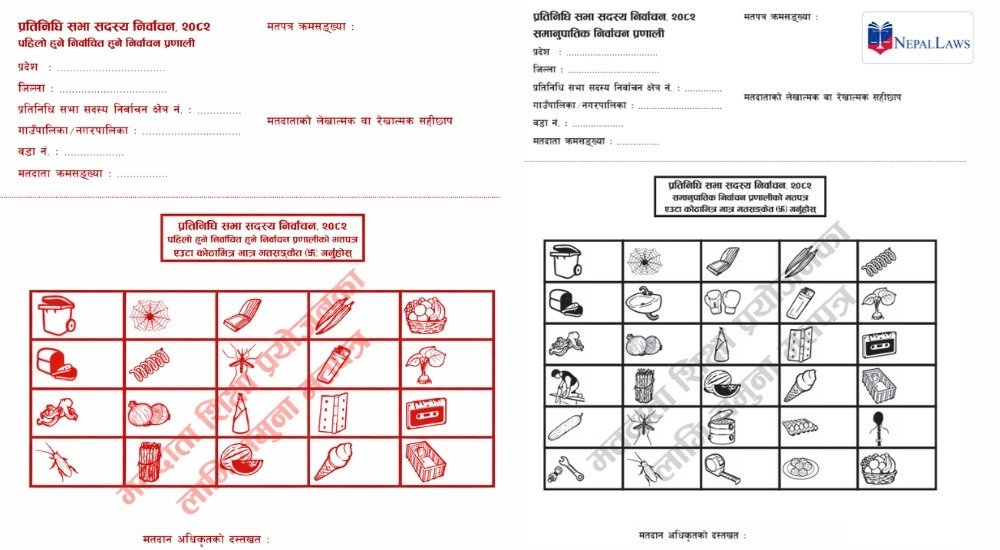
The ballot paper contains election symbols of political parties or symbols of independent candidates. These symbols are especially important in Nepal because they make the voting process easier and more inclusive, including for voters with visual impairments.
The layout is designed to be clear and structured so that voters can easily identify their preferred candidate or party. Take a moment to carefully read the ballot before stamping. This careful approach helps you feel confident and ensures your vote is correctly cast.
Sample Ballot Paper for Upcoming General Election 2082
The Stepwise Voting Process
Inside the private voting booth, you will be given an official stamp, usually a swastika-shaped stamp used exclusively for voting. This is the only tool you should use to mark your ballot. Using a pen, pencil, or making any other mark invalidates your vote.
Here are the simple steps for the voting process:
- Make Sure You Are Registered - Before election day, the most important step is confirming that your name appears on the official voter list. If you have already registered and received your voter ID card, you should verify your details through the Election Commission’s voter portal. Without registration in the voter list, you will not be allowed to vote, even if you meet the age requirement.
- Know Your Polling Station - Each registered voter is assigned a specific polling centre. Before election day, find out exactly where you need to go. Polling stations are usually set up in schools, community buildings, or public institutions within your area. Confirming your polling station helps you avoid last-minute confusion and ensures a smooth voting experience.
- What to Bring on Election Day: The most important document you need is your voter ID card (मतदाता परिचयपत्र). Election officials will verify your identity before allowing you to vote. In some cases, the Election Commission may accept alternative identification documents, such as a citizenship or National ID Card, if your name is on the voter list.
- The Check-In Process - When you arrive at the polling station, election officials will check your voter ID and confirm your name on the voter list. Once verified, your finger will be marked with indelible ink. This mark prevents duplicate voting and ensures election integrity.
- Understanding the Ballot Paper - In Nepal, election symbols play a significant role in helping voters easily identify their preferred choice. In federal elections, voters usually receive separate ballot papers for direct candidate voting (First-Past-The-Post) and proportional representation.
- Casting Your Vote Correctly - Inside the private voting booth, you will use the official stamp provided, usually a swastika-shaped stamp, to mark your choice. Place the stamp clearly inside the box next to the symbol of your preferred candidate or party.
After stamping, fold the ballot paper carefully as instructed to protect the secrecy of your vote. Then place it into the correct ballot box. If you have received multiple ballot papers, ensure each one is placed in its designated box and follow the Election Code of Conduct.
Common Mistakes to Avoid
No Double Stamping
Stamping the same ballot paper more than once will immediately invalidate your vote. One clear stamp is all you need.
Official Stamp Only
Do not use a pen, pencil, or any other marking tool. Only the official swastika-shaped stamp provided at the booth is valid.
No Writing or Signatures
Do not write any comments, names, or signatures on the ballot. Any additional marking will render your vote invalid.
No Photos or Showing Your Ballot
It is strictly prohibited to show your marked ballot to others or take photos inside the voting booth. Nepal uses a secret ballot system.
Accidentally Damaged Your Ballot?
Do not panic. If you damage your ballot before stamping, immediately inform the polling officer. They are there to guide you.
Why Your Vote Matters
Elections are not just about choosing leaders; they are about shaping the policies that affect your everyday life. Decisions on education reform, economic growth, infrastructure development, healthcare systems, and youth opportunities all depend on elected representatives.
The 2082 elections represent another step in Nepal’s democratic journey. Whether you are voting for the first time or continuing your participation as a responsible citizen, your involvement strengthens democratic values. Every single vote carries weight. Even when results seem predictable, participation signals that citizens care about governance and accountability.
A Few Simple Reminders for First-Time Voters
Before heading to the polling station, remember these essentials:
- Bring your voter ID card.
- Confirm your polling location in advance.
- Listen carefully to polling officers’ instructions.
- Stamp clearly inside one box only.
- Fold your ballot properly and place it in the correct box.
With these small steps, your voting experience will be smooth and meaningful.
Conclusion
Your first vote is more than a civic duty, it is a declaration that you are part of Nepal’s democratic future. Understanding the ballot paper and voting process removes uncertainty and replaces it with confidence. The system is designed to be straightforward, and election officials are there to assist you.
Democracy thrives when citizens participate responsibly. By preparing in advance and following the correct procedure, you ensure that your voice is heard and counted. On election day, walk into the polling station with pride. Cast your vote carefully. And remember, the future of Nepal is shaped not only by leaders, but by voters like you.

Babita
Babita is a law student with a keen interest in property accountancy and legal compliance. She contributes insightful, well-researched articles that reflect a fresh and analytical perspective on evolving legal matters.
View all postsGet the latest on laws and elections in your inbox.