How is Prime Minister Elected in Nepal?
By electing a Member of Parliament, the citizen is indirectly empowering a specific party or individual to negotiate for the executive leadership of the nation.

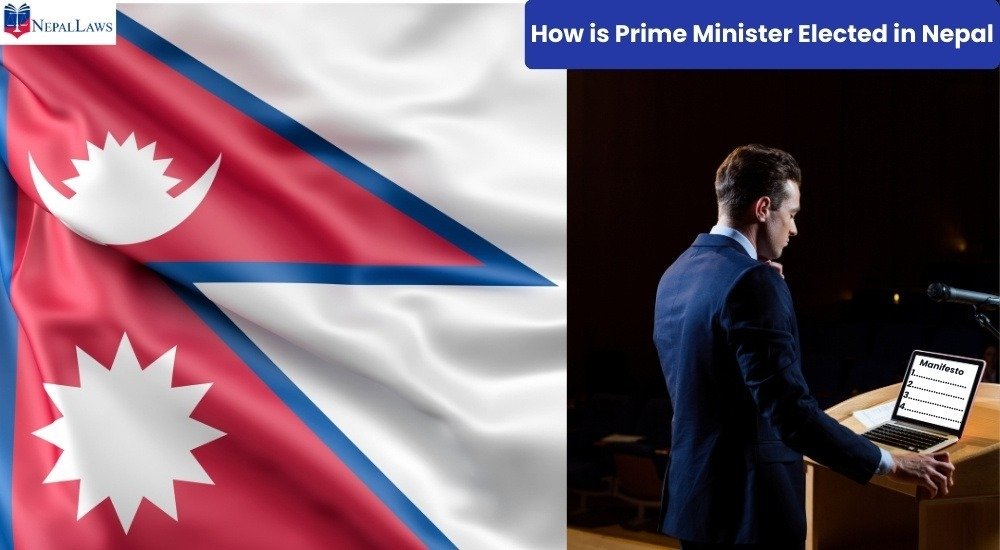
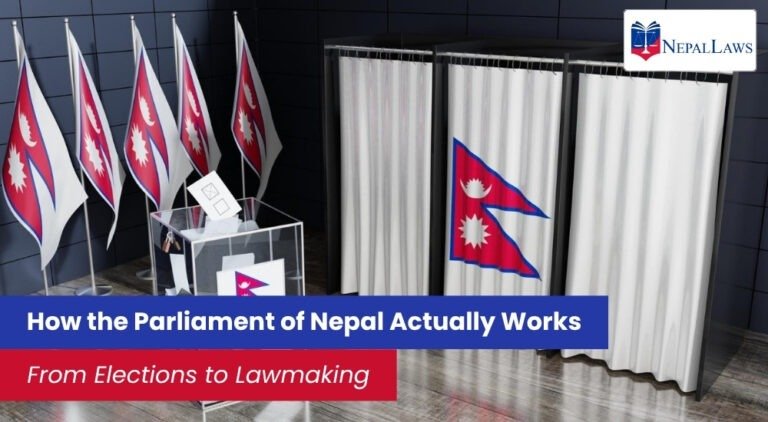
When citizens of Nepal cast their ballots in a general election, the question on everyone’s mind is usually about who will lead the country. Yet there is often significant confusion regarding who exactly becomes the head of the executive branch and how is prime minister elected in Nepal.
In reality, the system is indirect. Nepal follows a parliamentary form of governance, meaning that while citizens elect members of the House of Representatives, it is these elected representatives who subsequently determine the Prime Minister.
To clear up this uncertainty, this article unpacks the specific steps mandated by the Constitution of Nepal, 2072 to show how the process follows a strict hierarchy designed to ensure the government is formed with the support of the legislature.
The Role of the House of Representatives
To understand how Prime Minister is selected, a person must first understand the composition of the House of Representatives, which is the lower house of the Federal Parliament. This House consists of 275 members in total. For a government to be stable, it generally needs the support of more than half of these members.
Mathematically, half of 275 is 137.5. Therefore, the minimum number of votes required to show a majority is 138. This number is the key to forming a government.
Appointment by Single-Party Majority
The first and most straightforward method for appointing a Prime Minister occurs immediately after the final election results are declared. The President of Nepal checks whether any single political party has secured a clear majority in the House of Representatives. If one party wins 138 or more seats, the President appoints the parliamentary party leader of that party as the Prime Minister.
This scenario does not require complex negotiations because the winning party already has enough votes to pass laws and make decisions without help from other political parties.
Appointment with the support of two or more parties
If no single party wins 138 seats on its own, the Constitution mandates a second method. The President calls upon the political parties to join forces. Under this provision, the President appoints a member of the House of Representatives who can demonstrate that they have the support of two or more political parties represented in the House.
This process encourages different political groups to negotiate and combine their seat totals to reach the required majority number of 138.
Appointment of the Largest Party Leader
If the political parties fail to reach an agreement to form a government with the support of two or more parties within thirty days after the date of declaration of the final results of Nepal’s upcoming election to the House of Representatives, or if the Prime Minister appointed under this method fails to secure a vote of confidence, the Constitution provides a third path.
In this situation, the President appoints the parliamentary party leader of the party with the most members in the House of Representatives. Under this provision, the leader of the largest party becomes Prime Minister solely on the basis of their party’s size, even if they do not yet have the support of 138 members. Because they lack a guaranteed majority at the time of appointment, they are under immediate pressure to find additional support shortly after taking office.
Appointment of an Individual Member
The Constitution offers a fourth and final option if the Prime Minister appointed as the leader of the largest party fails to secure the required support. At this stage, the process moves away from strict party hierarchy and allows individual members to step forward. The President can appoint any member of the House of Representatives, regardless of which party they belong to, if that member can present grounds that they are able to secure a vote of confidence. This provision serves as a last resort to form a government, allowing a member who might be a consensus candidate across party lines to claim the leadership if they can prove they have the numbers.
The Vote of Confidence
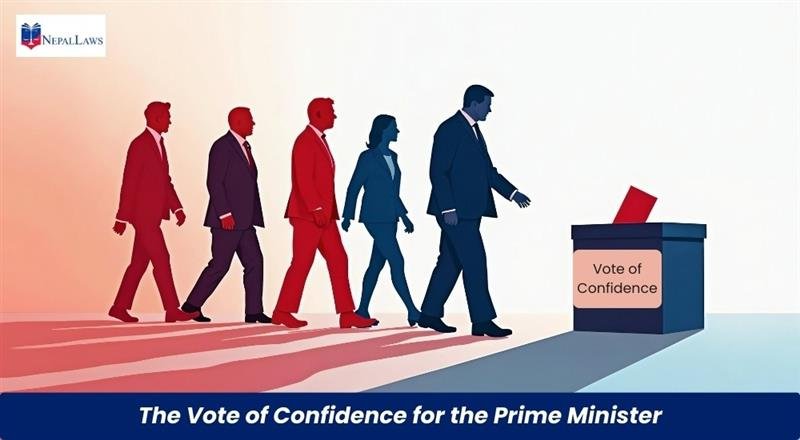
Regardless of the method that is used to appoint the Prime Minister, whether by a partnership, or as an individual member, the appointee must validate their position through a formal process in the Parliament known as the Vote of Confidence. Once appointed, the Prime Minister has a strict deadline of 30 days to stand before the House of Representatives and formally request a vote of support. If the Prime Minister receives a majority of votes, they remain in office. If they fail to get the required support, they are relieved of their duties.
Dissolution of the House
The Constitution dictates a final outcome if all attempts to form a government fail. Specifically, if the Prime Minister appointed under the final method fails to secure a vote of confidence, or if no Prime Minister can be appointed at all, the President on the recommendation of the Prime Minister dissolves the House of Representatives. Following this dissolution, the President sets a date for a new election, which must be completed within six months.
Conclusion: The Process of How is Prime Minister Elected in Nepal
To sum up, while the general population does not cast a direct vote for the Prime Minister, their vote determines the composition of the House of Representatives. The distribution of those 275 seats dictates which of the four constitutional methods will be used. Therefore, by electing a Member of Parliament, the citizen is indirectly empowering a specific party or individual to negotiate for the executive leadership of the nation.