Upholding Fairness: The Challenge of Enforcing Nepal’s Election Code of Conduct

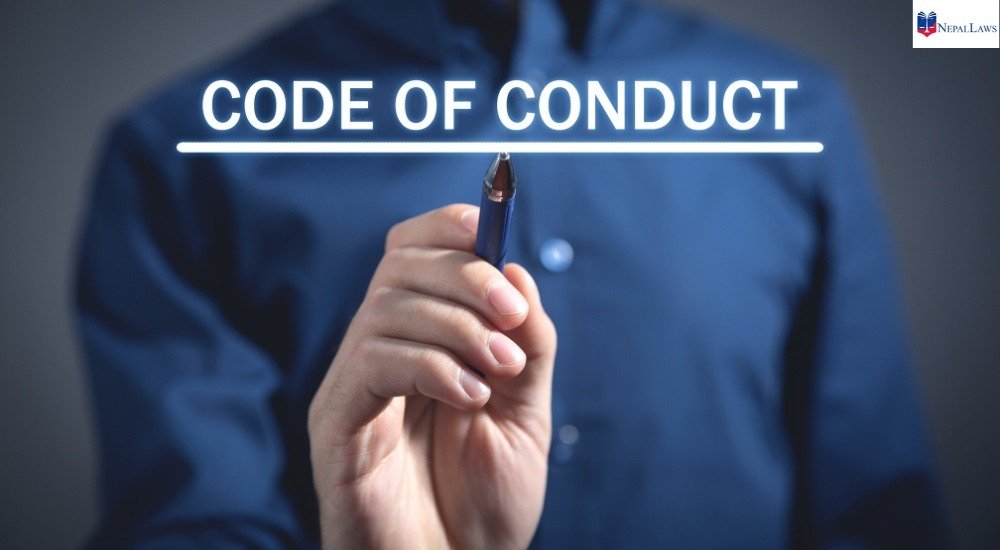
With Nepal preparing for the House of Representatives elections on March 5, 2026 (Falgun 21, 2082), the country is following a new and stricter set of rules called the “Election Code of Conduct, 2082” formulated by the election commission of Nepal based on the power given to it within the Election Commission Act of Nepal, 2017.
This code has been in effect since January 18, 2026, and are meant to maintain fairness, impartiality, transparency, and fearless environment in election It addresses conducts ranging from old-fashioned campaigning like door-to-door campaigning, rallies etc, to digital campaigns and eco-friendly practices. It also clearly defines what is legally allowed and outlines the penalties for violating the established code of conduct for election.
Key Election Rules for Candidates
Candidates must follow the “Election Code of Conduct, 2082” at all times to keep elections fair and transparent. The code mentions the following as prohibited activities for the candidates:
- Use of government, school, or private property for campaigning without permission
- Handing out freebies or displaying party logos on clothes and materials
- Personal character attacks, and should always respect women, seniors, minorities, and people with disabilities
- Involvement of children in campaigns
- Rallies or public meetings between 7PM and 7AM or blocking public spaces
- Creating fake social media accounts, AI for misinformation, or publish opinion polls during the election period is strictly prohibited
- Recording inside polling stations or violating voter privacy
- Cash, gifts, or host feasts as a medium to win votes
- Not following legal limits on ads in media and online and no label on paid promotions
- Large nomination groups and noisy processions
- No declaration of all campaign spending, no use of a special bank account, and unkept receipts for donations over 25,000 Rupees
- No submission of asset details and personal info when running
- No focus on digital, eco-friendly campaigning and clean up after rallies
- Using vehicles that creates pollution and not using electric vehicles even when possible
- Running for election without resigning from public office and clearing any government debts
- Refusal to sign a commitment to follow the law and accept election results.
Evolution of Miscompliance: From Digital Misconduct to Hate Speech
In Nepal, violations of the election code of conduct have evolved beyond digital misconduct and now encompass multiple forms of hate speech. The code prohibits any kind of hate speech, blackmails or threats in furtherance of the code’s spirit of restricting any negative campaigning. The Election (Offence and punishment) Act, 2017 penalizes such actions with a fine of up to 1 lakh Nepalese rupees or imprisonment of up to 2 years or both.
The Institutional Framework: Who Watches the Candidates?
To make sure these rules are followed, the government has built a strong system to watch over the elections. At the top is the Central Code of Conduct Monitoring Committee, led by an Election Commissioner and includes important government officials and security chiefs. Locally, District Code of Conduct Monitoring Committees, run by Chief Election Officers and the Chief District Officers, are in charge.
These teams can quickly act, like confiscating vehicles used in illegal rallies or removing banned campaign materials. This setup makes sure the rules are enforced not just in the capital, but in every one of Nepal’s 77 districts, with different officers checking financial and non-financial matters.
How to Report Violations ?
The “Election Code of Conduct, 2082” has kept within its purview all the citizens in the role of monitoring the conduct in the elections. Anyone can access the code through Nepal gazette and can be a complainant in situations of violations. The process for reporting problems is meant to be simple and safe, so that anyone can take part. Reporting election rule-breaking is now easier than ever, giving citizens a bigger role in keeping elections fair and honest:
- Easy Ways to Report: One can report violations in writing, by speaking, or even online including social media.
- Where to Report: Complaint can be reported to the Election Commission, the Chief Election Officer, the Election Officer, or the local monitoring teams within the district.
- What to Include: While reporting is flexible, the complaint report should have:
- The name of the political party, candidate, or institution violating the code.
- A brief description of the incident.
- Any available supporting evidence, such as photos, videos, or audio recordings.
- Privacy and Safety: The law is clear regarding keeping the identity of complainant confidential. If requested, name of the complainant can be kept secret to avoid any kind of backlash from politicians or officials, and authorities must protect the complainant’s privacy by law.
Consequences and Penalties: The Cost of Breaking the Rules
The code is clear about what happens if someone breaks these election rules. According to the Election Commission Act, 2073, the Commission can fine violators up to 100,000 Rupees. For more serious or repeated offenses, like misusing resources or ignoring Commission orders, a candidate can even be disqualified from running. On top of that, if someone spends too much or doesn’t use a bank for expenses over 25,000 Rupees, they can be fined the same amount and banned from elections for up to six years. These strict penalties are meant to turn these rules from just advice into real, enforceable law.
Conclusion
In a nutshell, Nepal’s new “Election Code of Conduct, 2082” marks a big change in how elections are run, going further than old rules to tackle new challenges like online misinformation and protecting the environment. The effectiveness of these rules relies on their enforcement. Fair elections require the Commission to implement the rules, candidates to comply with them, and the public to remain vigilant and report any violations.

Ashaswi
Ashaswi Karki is an undergraduate law student passionate about making legal concepts accessible and engaging. Drawing on her academic journey and real-world experience with Nepal's legal system, she brings clarity and practical insights to her writing, helping readers better understand Nepali law.
View all postsGet the latest on laws and elections in your inbox.